
Is perimenopause rage a real thing?
Yes. Sudden anger, a short fuse, and irritability that feels out of proportion are among the most commonly reported changes in the years before periods stop, and they are driven by shifting hormones, not a flaw in your character. The UK's NHS lists mood changes, low mood, and anxiety among the core symptoms of perimenopause, and clinicians at The Menopause Society describe irritability and anger as classic, under-discussed features of the transition. You are not imagining it, and you are not alone.
Why falling estrogen makes you angrier
Estrogen helps regulate serotonin and dopamine, the brain chemicals that steady mood, so when estrogen swings and falls unpredictably in perimenopause, your emotional baseline gets harder to hold. Add the two things that travel with it, broken sleep and a heavier mental load, and you have a nervous system with almost no slack left for the small stuff.
- Hormone swings. Perimenopausal estrogen does not glide down, it lurches, and each drop can pull mood with it.
- Lost sleep. Night sweats and 3am wake-ups erode the recovery that keeps you patient. See why you cannot sleep.
- Invisible load. This stage often lands in the busiest decade of life, so there is more to be angry at and less reserve to absorb it.
What actually helps perimenopause rage
Name it as hormonal
Just knowing the rage has a physiological driver takes some of its power away. It is not that you have suddenly become an angry person, it is that your buffer is thinner this month. That reframe alone helps many women respond instead of react.
Protect sleep first
Sleep is the single biggest lever on mood, and it is often the first thing perimenopause breaks. Cooler rooms, a consistent wind-down, and treating night sweats are worth more for your temper than any amount of willpower.
Move your body, the right amount
Regular exercise is one of the most reliable mood regulators we have, and both easy cardio and strength training blunt irritability. The catch is dose: grinding yourself into the ground raises stress hormones and makes the rage worse. The goal is consistent, recoverable movement, not punishment. See a perimenopause workout plan built around that balance.
Talk to a clinician about MHT (HRT)
For many women, hormone therapy meaningfully steadies mood, and bodies like ACOG and The Menopause Society recognize it as a first-line option for perimenopausal symptoms for those without contraindications. It is a conversation worth having with your doctor. Phaes is informational and not medical advice, but it can help you track how you feel through it. See training and MHT (HRT).
Get help sooner if low mood becomes persistent, you feel hopeless, or you have any thoughts of harming yourself: talk to a doctor or a crisis line now. Rage that frightens you or is damaging your relationships also deserves real support, not just management.
How Phaes helps
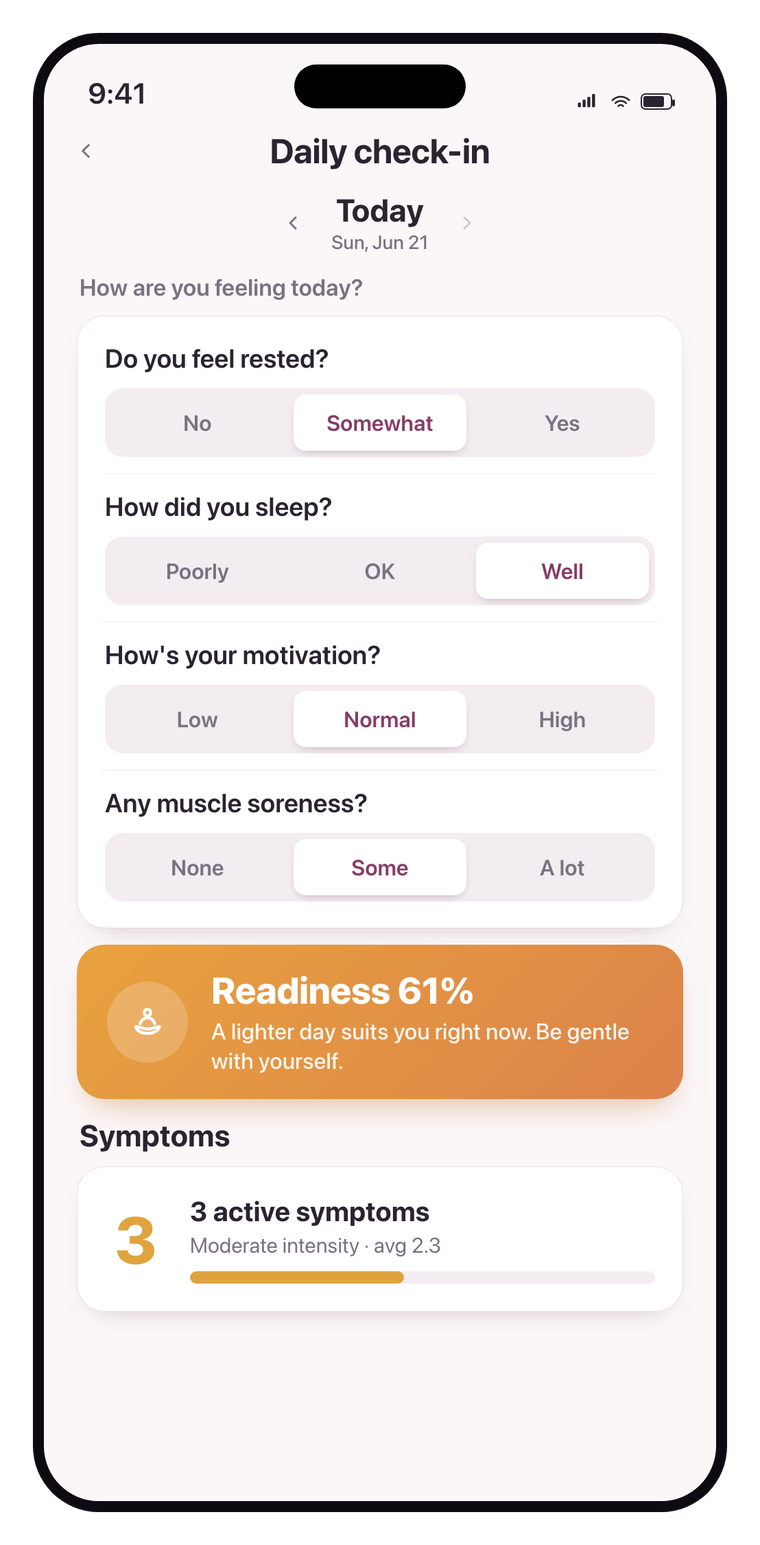
In the moment, rage feels random. Over weeks, it has a pattern. Phaes reads a short daily check-in that tracks mood alongside your sleep, your cycle, and your symptoms, so you can see when irritability clusters, and connect it to what your hormones are doing rather than blaming yourself. The training side then adapts, so you are not also fighting an overcooked plan on your worst days. See how hormone intelligence works, or the perimenopause app.
Keep reading
- Perimenopause rage: the free challenge
- Why do I feel like I am going crazy?
- Why can I not sleep?
- The perimenopause app
- Perimenopause symptoms: the full list