Quick answer: After one bad night, keep moving but drop the intensity: swap sprints or HIIT for an easy walk, run, or yoga, and keep your strength session with lighter weights or a set fewer. After several bad nights in a row, treat the next few days like a reset week with no intensity at all. Sleep is the priority, and night sweats that disrupt it most nights are worth raising with a clinician.
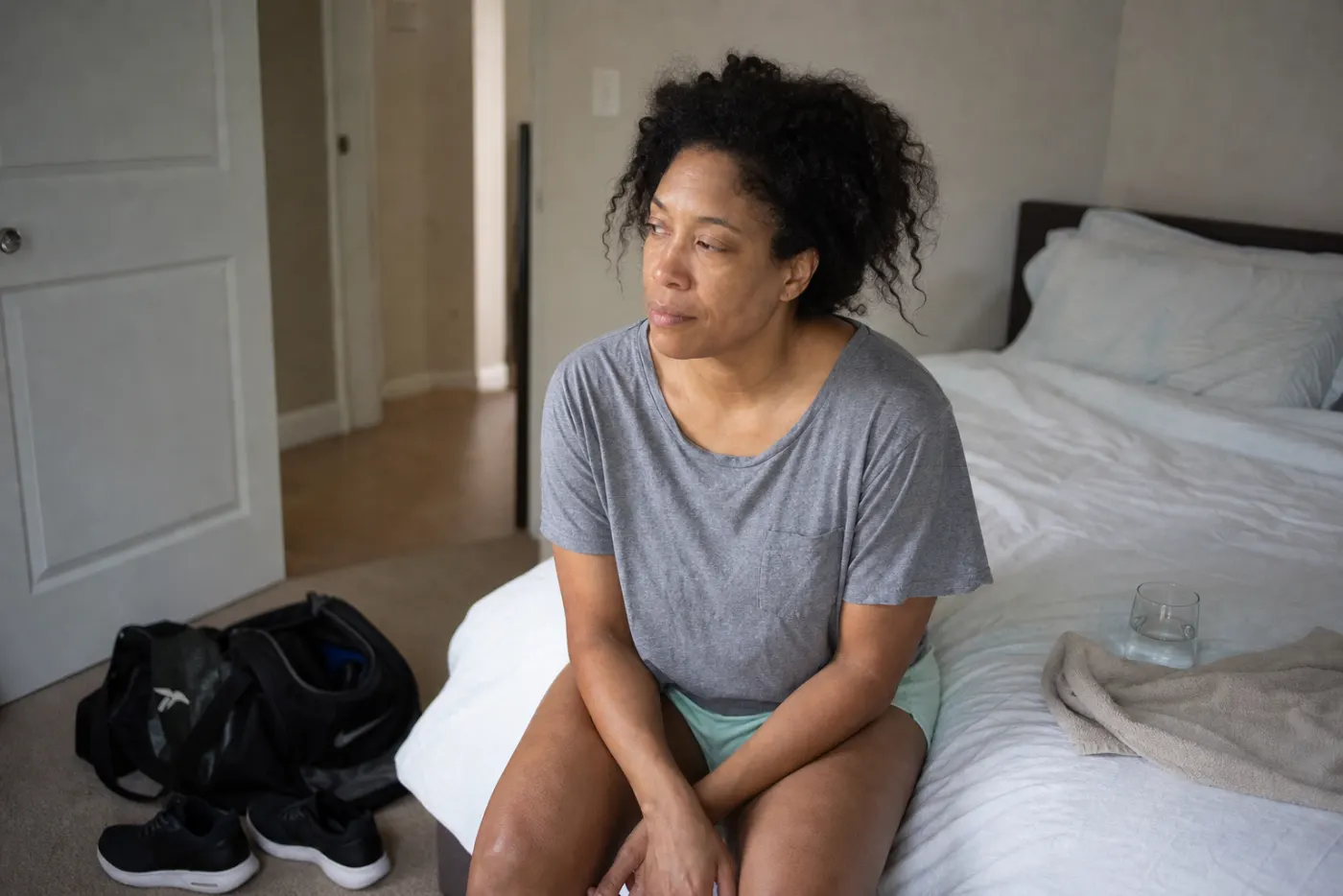
You woke up drenched at 2am, changed your T-shirt, and lay awake until five. Today’s plan says sprints. Do you go anyway, skip it, or do something in between? This guide gives you simple decision rules for training after night sweats, so a bad night costs you one session at most, not a week.
The short answer: keep moving, drop the intensity
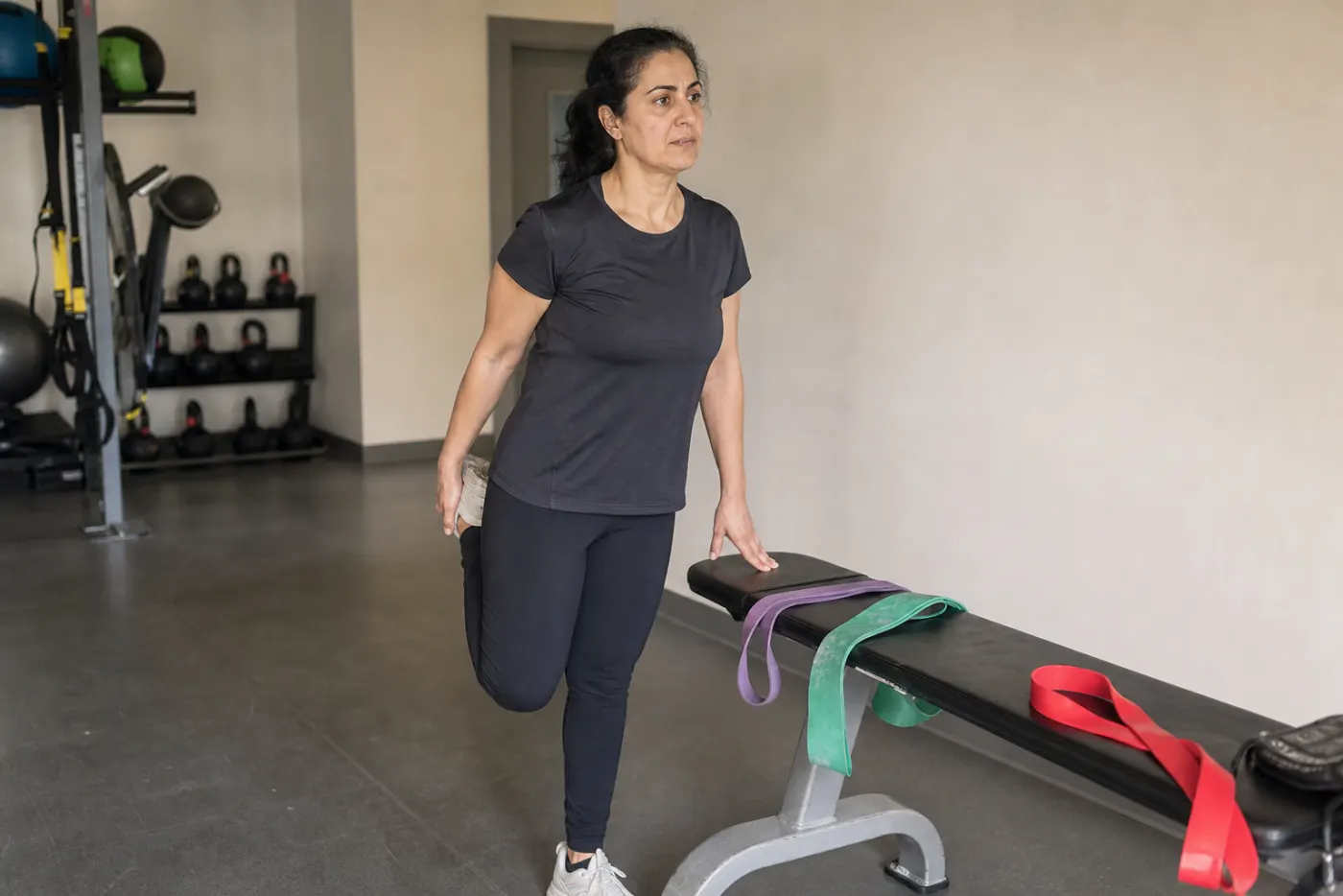
After a bad night, keep your training day but take the intensity out. Swap sprints or HIIT for an easy walk, easy run, or yoga. Keep your strength session but lift lighter or do a set fewer. One bad night is not a reason to stop, but it is a poor day to ask your body for its best effort.
The logic is simple. Hard sessions only help when you can recover from them, and sleep is when most of that recovery happens. Easy movement, on the other hand, costs very little and often lifts mood and energy on a tired day. So the trade after a broken night is to keep the easy parts of your plan and move the hard part, not to cancel everything.
Decision rules for training after a bad night
Match the session to how much you slept and how many bad nights have stacked up. One short night needs a small tweak. A run of bad nights needs a reset. Use the table below as a default, then let how you feel after a 10 minute warm-up make the final call.
| Last night | Sprints or HIIT | Strength | Easy days |
|---|---|---|---|
| Broken but 6+ hours | Keep it if the warm-up feels normal | As planned | As planned |
| Under 5 to 6 hours | Swap for an easy walk, run, or yoga | Lighter, or one set fewer | As planned, nothing extra |
| Three or more bad nights | No intensity for a few days | About 30% lighter, like a reset week | Walks, yoga, and an early night |
A few practical rules sit behind the table:
- Never move the sprint session to tomorrow by default. Sprint sessions need at least 3 days between them. If a swap breaks that rule, skip SIT this week. See sprint interval training for how the week is built.
- Use the warm-up as a test. If your legs feel heavy and flat after 10 easy minutes, the decision is made: stay easy.
- Do not make it up later. A missed hard session is gone. Doubling up the next day is how one bad night turns into a bad week.
Why sleep loss hits hard sessions hardest
Short sleep blunts the things that hard training depends on: power, motivation, reaction time, and the muscle repair that happens overnight. Steady, easy exercise is affected much less. That is why the smart swap after a bad night is intensity, not movement. The research mostly comes from young adults, but the direction is consistent.
A review of sleep and athletic performance by Fullagar and colleagues, 2015 (Sports Medicine) found that sleep loss tends to impair submaximal and repeated efforts, mood, and motivation, with mixed effects on single maximal efforts. And in a small crossover study by Lamon and colleagues, 2021 (Physiological Reports), one night of total sleep deprivation in 13 young adults cut muscle protein synthesis by 18 percent the next day, raised cortisol by 21 percent, and lowered testosterone by 24 percent.
Lifting lighter: what that looks like
On a bad-sleep day, keep your strength session but make it easier to recover from: same exercises, lighter weights or one set fewer, and every set stopping with a few good reps left. You keep the habit and the movement practice without adding fatigue your body cannot clear tonight.
By level, a sensible bad-night adjustment looks like this:
Lifting after a bad night
- Do 2 sets of 8 instead of 3
- Usual weight if it feels fine
- 30 s rest as normal
- Do 3 or 4 sets of 5
- Skip adding weight on the last set
- 2 min rest as normal
- Keep the sets, drop the weight
- Leave more than 1 rep in reserve
- 3 min rest as normal
Core work and mobility can stay as planned. If the bar feels unusually heavy in your warm-up sets, cut the session short and walk instead. That is a good decision, not a failure.
When the bad nights stack up
Several bad nights in a row call for more than a single swap. Treat the next few days like a reset week: no sprints or HIIT, strength weights about 30 percent lighter, easy days truly easy, and sleep as the priority. When you get two or three decent nights, go back to the plan where you left it.
This is the same logic as the reset week built into the Phaes method every fourth week, applied early because your body asked for it. Our guide to deload weeks for women over 40 explains how to run one.
It is also the moment to look at the sleep itself. Night sweats are among the most common symptoms of perimenopause. The NHS night sweats guidance lists menopause as a common cause, along with medicines, infections, and some other conditions. For menopause-related night sweats, MHT (HRT) is the most effective treatment for many women, according to The Menopause Society’s 2022 position statement, and non-hormonal options exist too. Treating the sweats protects your training better than any workout tweak.
Protecting tonight’s sleep
What you do today affects tonight. Finish hard training earlier in the day if evening sessions leave you hot at bedtime, keep the bedroom cool, and keep caffeine and alcohol modest. Easy daytime movement and daylight tend to help sleep, not hurt it. Small steps add up over a run of nights.
- Time hard sessions earlier. A 2019 meta-analysis by Stutz and colleagues (Sports Medicine) found evening exercise did not harm sleep overall, but vigorous exercise ending within about an hour of bedtime may delay sleep onset.
- Cool down properly. A cool shower and a cool room help your body shed heat after training and at night.
- Layer the bed. Light, breathable layers you can throw off beat one heavy duvet.
- Watch the evening drink. Alcohol often makes the second half of the night more broken.
For training in the heat of a hot flash itself, which is a different problem, see exercising with hot flashes. For the symptom side of poor sleep, see why you cannot sleep.
Where Phaes fits
Phaes asks how you slept in the daily check-in, along with your symptoms and cycle if you still have one. After a rough night it swaps sprints or HIIT for an easy session and lightens the strength work, and after a run of bad nights it eases the whole week. It does not treat night sweats; it adjusts the plan around them.
The bottom line
After a bad night, keep moving and take the intensity out: easy walk, run, or yoga instead of sprints or HIIT, and lighter strength work. After several bad nights, run a short reset. Never cram a missed hard session into tomorrow. And if night sweats are breaking your sleep most nights, raise it with a clinician, because treating them is the best training decision of all.
Frequently asked questions
Should I exercise after a night of no sleep?
Usually yes, gently. Easy movement such as a walk, an easy run, or yoga tends to help mood and energy after a poor night. What to skip is intensity: sprints, HIIT, and maximal lifts. Your reaction time, motivation, and recovery are all worse after a short night, so the risk of a hard session goes up while the payoff goes down.
Can I still lift weights after a bad night?
Yes, in most cases. Keep the session and the exercises, but lift lighter or do one set fewer than planned, and stop well short of failure. Strength holds up better than sprint performance after a single short night, and a lighter session keeps the habit going without adding much fatigue.
Does exercise make night sweats worse?
Regular exercise does not appear to make night sweats worse for most women, and it helps sleep quality overall. Some women find a hard session late in the evening raises their body temperature at bedtime. If that is you, move hard sessions earlier in the day and keep evening movement easy.
Is it bad to work out late at night in perimenopause?
Not usually. A 2019 meta-analysis found evening exercise did not harm sleep in healthy adults, though vigorous exercise ending within about an hour of bedtime may delay falling asleep. If you sleep worse after evening sessions, finish hard training earlier and keep the last hour before bed cool and calm.
When should I see a doctor about night sweats?
See a doctor if night sweats disrupt your sleep most nights, if they affect your daily life, or if they come with a fever, unexplained weight loss, a lasting cough, or swollen glands. Perimenopause is a common cause, but not the only one, and effective treatments exist.