
Is there a right time to start MHT (HRT)?
MHT, menopausal hormone therapy (also called HRT), replaces the estrogen, and usually progesterone, that fall during the menopause transition. There is no single correct age to begin. The general guidance from bodies like The Menopause Society and ACOG is that for most healthy women starting around the time of menopause, and generally before age 60 or within about 10 years of their final period, the benefits of MHT for symptoms tend to outweigh the risks. This is sometimes called the window of opportunity.
Can I start MHT (HRT) in perimenopause?
Yes. You do not have to wait until your periods have stopped. If perimenopausal symptoms such as hot flashes, mood changes, broken sleep, or brain fog are affecting your life, MHT (HRT) is a recognized option during perimenopause, often used alongside contraception since you can still ovulate. See the full symptom list and what perimenopause is.
How to know if MHT (HRT) is worth discussing
The simplest signal is impact: if symptoms are interfering with your sleep, work, mood, or relationships, it is reasonable to raise MHT (HRT) with a clinician. The decision is individual and depends on your symptoms, your health history, and your preferences. Some conditions, such as a history of certain cancers or blood clots, change the picture, which is exactly why it is a conversation, not a self-diagnosis.
How to prepare for the conversation
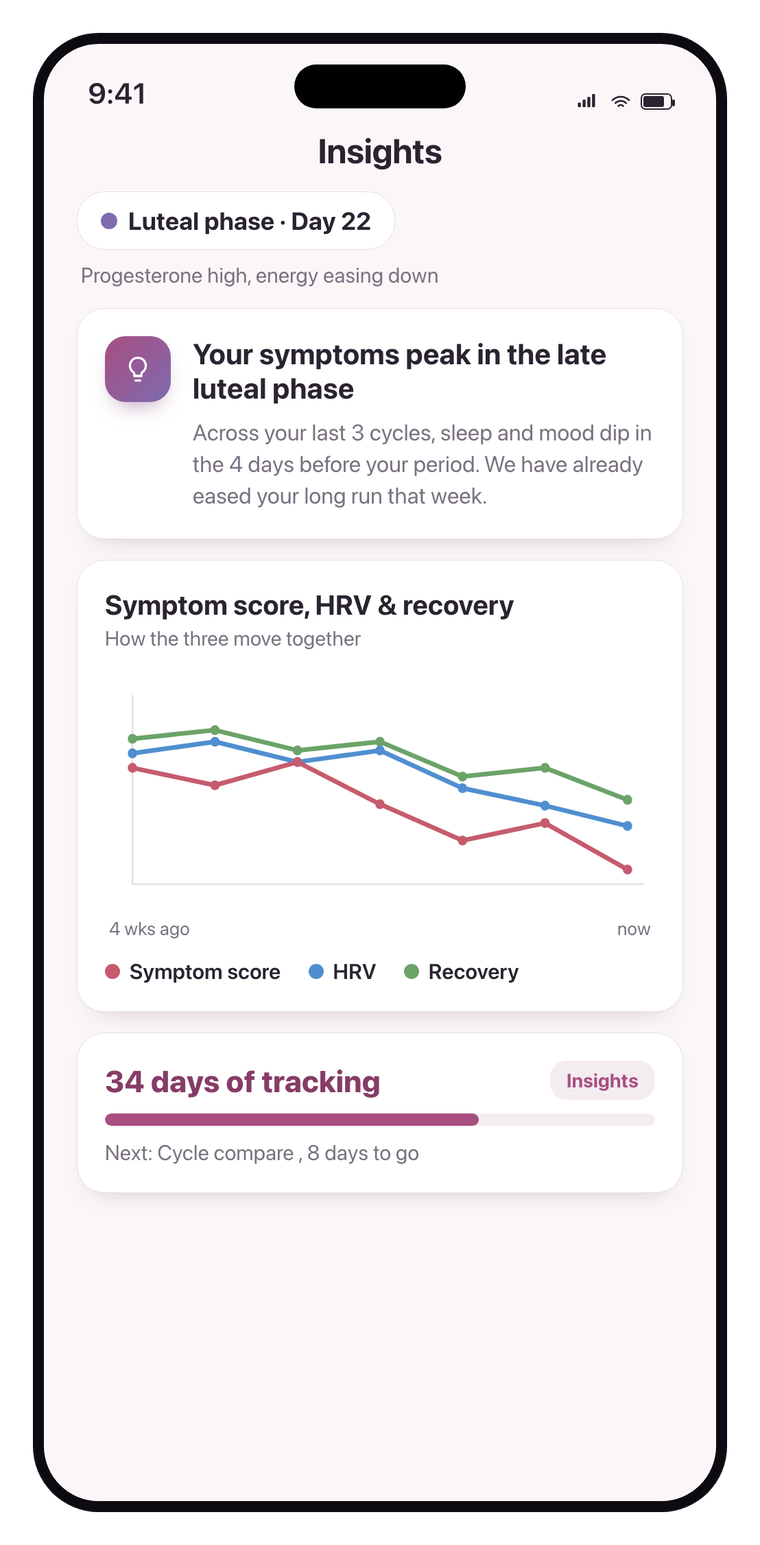
- Bring a symptom log. A few weeks of tracked symptoms turns a vague "I feel off" into clear evidence.
- Know your history. Family and personal medical history shapes the options.
- Ask about type and delivery. See types of MHT (HRT) and what might suit you.
- Ask what to expect. Including likely side effects and when to review.
This is general information, not medical advice, and MHT (HRT) is a decision to make with a qualified clinician who knows your history. If you have been dismissed before, read it is not in your head for how to be taken seriously.
How Phaes helps
Phaes lets you track your symptoms before and after starting MHT (HRT), with a short, regular check-in, so you and your clinician can see whether it is actually working and worth adjusting, rather than relying on memory. See how training and MHT fit together, or the perimenopause app.